
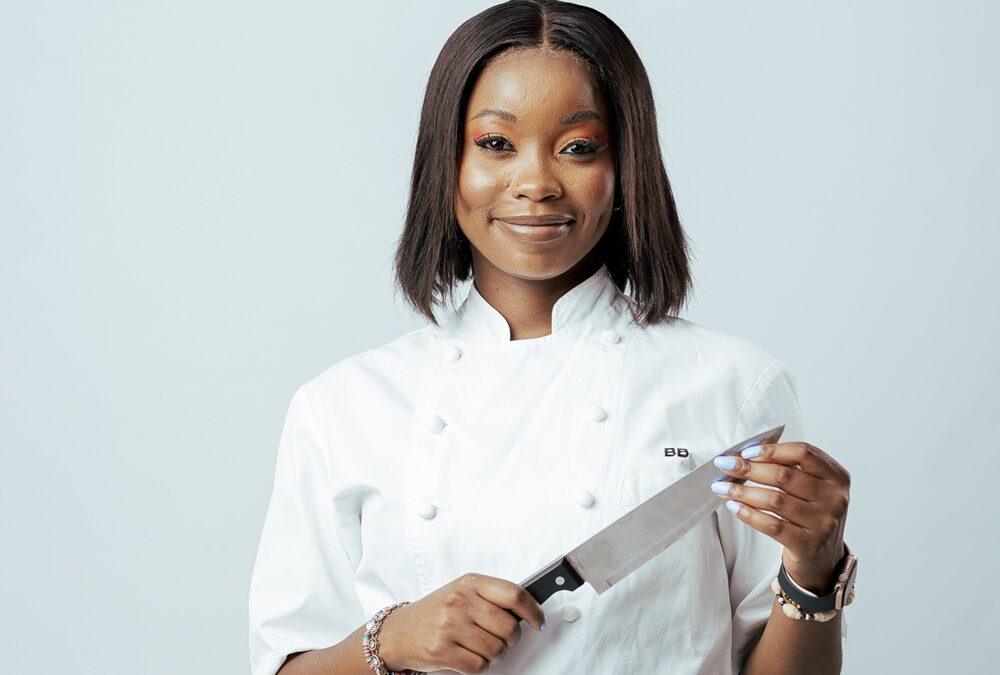
We caught up with the visionary behind Pabvute Gourmet at a moment when Zimbabwean cuisine is stepping confidently onto the global stage. From winning international recognition at the UN Tourism start-up gastronomy competition in Victoria Falls to hosting some of the world’s most-watched digital personalities, the journey has been one of purpose, pride and powerful storytelling. With reliable regional connectivity through partners like fastjet Zimbabwe, helping creatives move ideas, people and culture across borders, the momentum behind this culinary movement has never felt stronger. In this conversation, the founder of Pabvute Gourmet reflects on the moments that have shaped the brand, the traditions that continue to guide it, and a bold vision to see Zimbabwean flavours recognised not just as cultural treasures, but as world-class cuisine with global impact.
Q: You won the UN Tourism start-up gastronomy competition with Pabvute Gourmet at the Regional Forum on Gastronomy Tourism in Victoria Falls. What did that recognition mean for you and your long-term vision for Zimbabwean cuisine?
Winning this competition was a profound validation of the “Taste of Heritage” philosophy. To be recognised by UN Tourism confirms that our local flavours are not just “traditional”, they are world-class. My long-term vision is to position Zimbabwean cuisine as a pillar of global sustainable gastronomy. This win provided the platform to advocate for the preservation of our indigenous culinary identity while proving that our heritage can drive economic growth and tourism.
Q: You recently hosted IShowSpeed during his Africa Tour Zimbabwe visit, a moment that put your work in front of a global audience. What did that experience mean to you personally and professionally?
Hosting such a high-energy, global personality was an exhilarating challenge. Personally, it was a joy to see someone from a completely different culture embrace our food with such genuine curiosity. Professionally, it proved that Zimbabwean cuisine is “viral” by nature; it’s vibrant, soulful, and ready for the world stage. It showed that whether it is a formal forum or a digital broadcast to millions, our food speaks a universal language of hospitality.
Q: When you are preparing for a high-profile guest, what changes first in your process, menu design, kitchen flow, or the overall guest experience?
The first shift is always in the narrative. I look at the guest’s background and consider how I can create a “culinary handshake” between their world and ours. While my kitchen flow becomes more rigorous to ensure surgical precision, the menu design stays rooted in authenticity. I do not change our flavours for high-profile guests; I simply refine the “theatre” of the service to ensure the experience feels as exclusive as it is traditional.
Q: Pabvute Gourmet is known for elevating traditional Zimbabwean cuisine into a luxury dining experience. How do you define luxury when it comes to food?
Luxury is not about imported truffles or caviar; it is about scarcity, time, and soul. In my world, luxury is the depth of flavour achieved by slow braising in a hand-moulded clay pot, a process that cannot be rushed. It is the story of the grain, the hands that harvested the wild greens, and the emotional connection of a dish that feels both ancient and sophisticated. True luxury is the privilege of tasting a heritage that has been preserved with integrity.
Q: Many chefs can cook well, but fewer can design a full experience. How do you approach creating a dining moment that goes beyond the plate and becomes an emotional experience for your guests?
I approach a meal like a three-act play. It begins with the scent of the hearth and the tactile feel of the table. I aim to trigger “ancestral memory” or a sense of place. By explaining the origin of each ingredient and the cultural significance of the techniques used, the meal stops being just “sustenance” and becomes a conversation. I want my guests to feel they are not just eating a dish, but are being invited into the heart of a Zimbabwean home.
Q: Which traditional cooking techniques do you intentionally protect in your kitchen, even as you modernise your presentation?
I am fiercely protective of clay pot cooking. The clay pot (Hadyana/Tsambakodzi) is more than a vessel; it is a living technology that offers unique thermal properties and an earthy depth that modern stainless steel simply cannot replicate. I am also deeply passionate about introducing sustainable cooking techniques to rural communities that still rely on open fires. By championing refined, fuel-smoke-free, efficient ways to use traditional clay, we protect our environment while keeping our culinary soul intact. Introducing tsotso stoves has been an amazing experience, bringing joy to both the community and me.
Q: Sourcing is everything in fine dining. What is your philosophy when it comes to ingredients, farmers, and building consistent quality?
My philosophy is “Community First.” The chef’s role is to be the bridge between the small scale farmer and the luxury table. I work closely with rural producers to ensure we are using indigenous, drought-resistant crops that are native to our soil. Consistency is built through relationships when farmers understand that their produce is the star of a fine-dining plate, they take immense pride in maintaining the highest standards.
Q: Your brand blends culture, storytelling and gastronomy. How important is narrative in the way you design your menus?
The narrative is the seasoning that makes the dish unforgettable. Without the story, a meal is just calories. In my menus, every course has a name and a lineage. Whether I am telling the story of the mupfuti tree or the history of our finger millet, the narrative provides the context that transforms an ingredient into an heirloom.
Q: You travel often for events, showcases and collaborations. Have you had the chance to fly with fastjet Zimbabwe, and how important is reliable regional connectivity in helping creatives as you grow beyond borders?
Reliable connectivity is the lifeblood of the creative economy. I have indeed flown with fastjet, and services like theirs are essential for “gastronomy diplomacy.” To take the Pabvute Gourmet experience to the region, I need to know that I and my essential ingredients can move swiftly and reliably. When we bridge borders, we swap ideas, and that is how Zimbabwean cuisine will eventually conquer the global palate.
Q: Looking ahead, what excites you most about the next chapter of Pabvute Gourmet and your vision for Zimbabwean gastronomy on the global stage?
I am most excited about the intersection of tradition and innovation. The next chapter involves taking our sustainable clay pot techniques and indigenous ingredients to international kitchens. I want to see Zimbabwean Sadza rezviyo or our slow-cooked meats on the menus of London, Paris, and New York. My vision is to see our “humble” heritage recognised as the pinnacle of sustainable luxury
CONCLUSION
From clay pots to global platforms, the story of Pabvute Gourmet reminds us that true innovation often begins with honouring where we come from. Through thoughtful storytelling, sustainable practice and an unshakeable belief in heritage, this is more than a culinary journey; it is a cultural mission. As Zimbabwean cuisine finds its voice beyond borders, one plate at a time, the role of reliable travel partners like fastjet Zimbabwe becomes just as important in carrying that story forward. The future feels rich with possibility, grounded in tradition, elevated by vision, and driven by a new generation of chefs who understand that food is not just nourishment, it is identity.
Text by PAC | Images supplied by Pabvute Gourmet

