Harare, better known as the city that does not sleep, is living up to its name again. From new dining addresses and café culture to lifestyle estates and familiar regional brands, there is a noticeable pulse running through the city.
We explored Harare through its bed-and-dine addresses, places where visitors could sleep well, eat properly and feel hosted without being swallowed by the city. But Harare does not let you close the notebook that easily. One lunch leads to another conversation. Someone mentions a new opening. Someone else tells you where to try next. Before long, the follow-up starts writing itself.
So this is not a repeat. It is the next page. A café that was once just a quick stop is now where meetings happen. A restaurant becomes the reason people cross town. A lifestyle estate that once lived mostly in renderings now has golfers taking swings.
A CITY BEING USED DIFFERENTLY
What stood out in the last edition was Harare’s ability to host. What stands out now is how people are using the city. It is no longer just about checking in, eating, sleeping and moving on. People are building days around where to meet, where to work from and where to take visitors.
Borrowdale still carries that lifestyle energy, but the story has widened. Avondale has its café rhythm. Highlands and Newlands attract quieter, polished pockets. Mount Pleasant remains useful for meetings and family stops, while the airport route matters more for travellers who want convenience.
WHERE THE TABLES ARE TALKING
In Harare, breakfast tables host early meetings. Coffee tables carry laptops, car keys and half-finished conversations. Restaurant tables become family catch-up points, birthday corners and business lunches.
Coffee culture is one of the clearest signs of this shift. Not everyone is a coffee person, and some of us still need convincing by a good latte and a comfortable chair. But there is no denying what cafés are doing for Harare. It is business, but softer. Social, but useful.
A TASTE THAT FEELS FAMILIAR
Because this edition features Rosebank on the cover, the Harare-Johannesburg connection matters. Many fastjet Zimbabwe passengers know both cities well, whether travelling for business, shopping, family, medical appointments, leisure or a quick reset.
That is why familiar regional names in Zimbabwe’s dining space matter. Doppio Zero Harare at Cardinals Corner is expected to bring a well known South African casual dining name into the capital’s food conversation later this year. RocoMamas, Spur and Nando’s already form part of that bridge between what travellers enjoy in South Africa and what they can now enjoy back home.
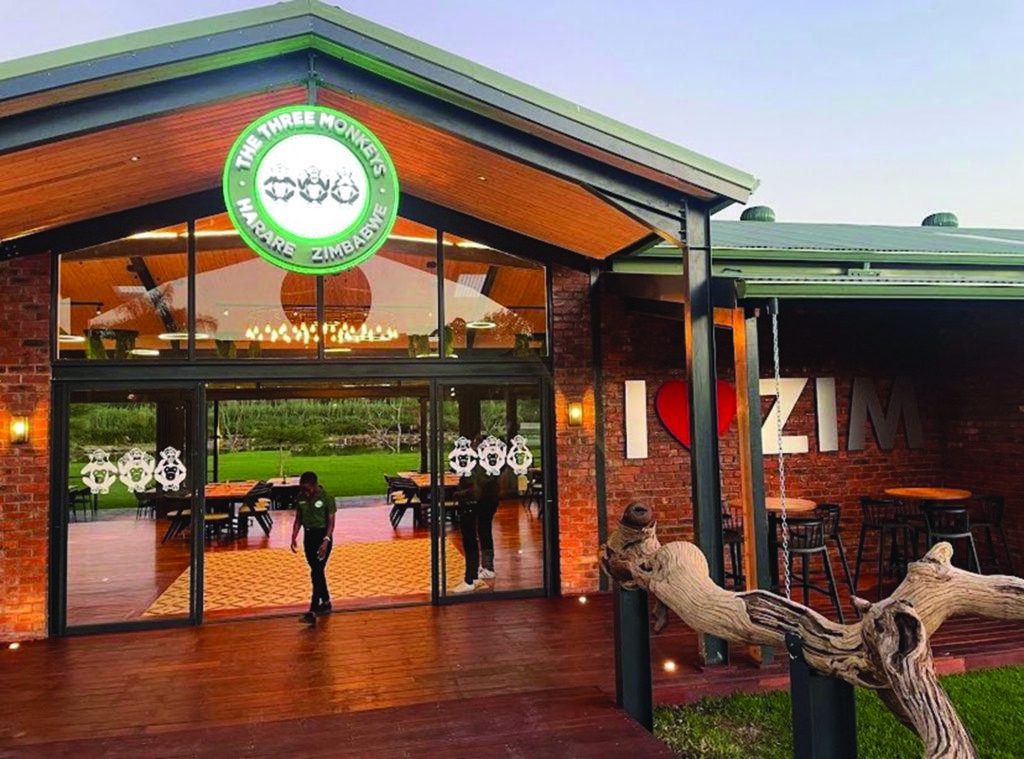
Then there is Three Monkeys, which deserves a special mention. It carries that Victoria Falls spirit, relaxed, lively and not too serious, and brings it into Harare with energy that makes people recommend it before they have even finished saying what they ordered.
BORROWDALE STILL HAS THE PULL
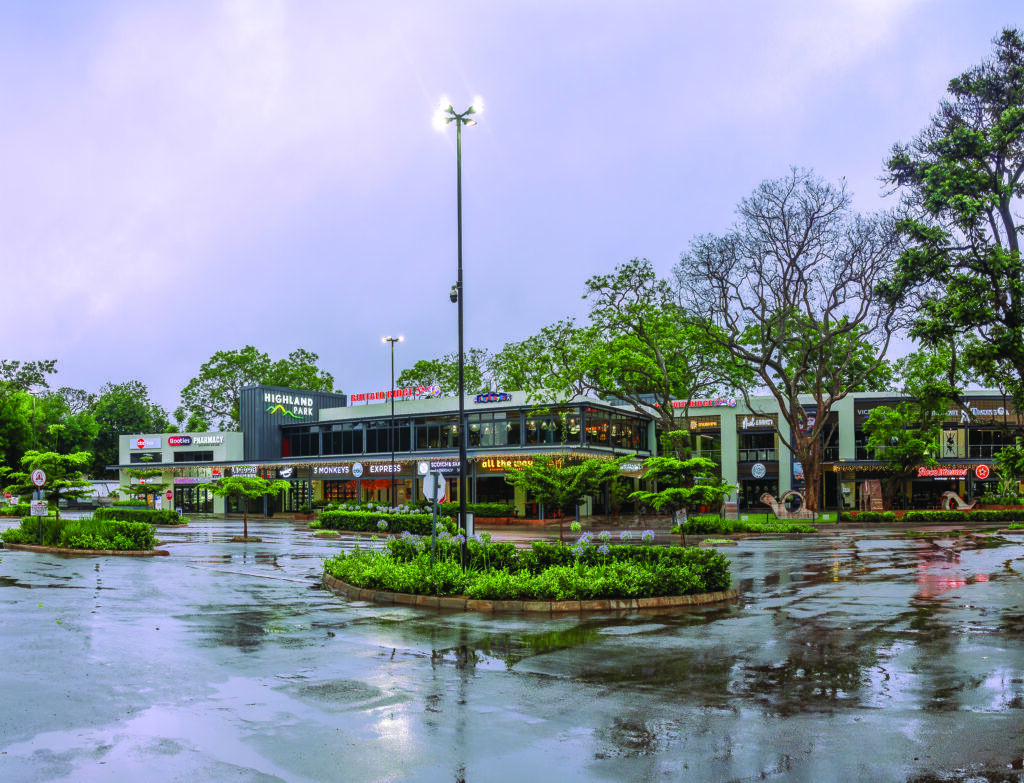
Borrowdale remains one of Harare’s strongest lifestyle pockets. Village Walk, Borrowdale Brooke and the surrounding dining spaces continue to draw families, business people, couples, visitors and locals who want a reliable place to meet.
Harare can now offer refined, relaxed, quick, family-friendly, business-friendly and easy-going in one area. Choice gives people pride, visitors options and locals reasons to stay out longer.
THE HILLS BECOME REAL
When we first featured The Hills, it still carried the feeling of a big promise, the kind of development people talk about with interest, but also with that cautious Harare expression that says, “Let us see.”
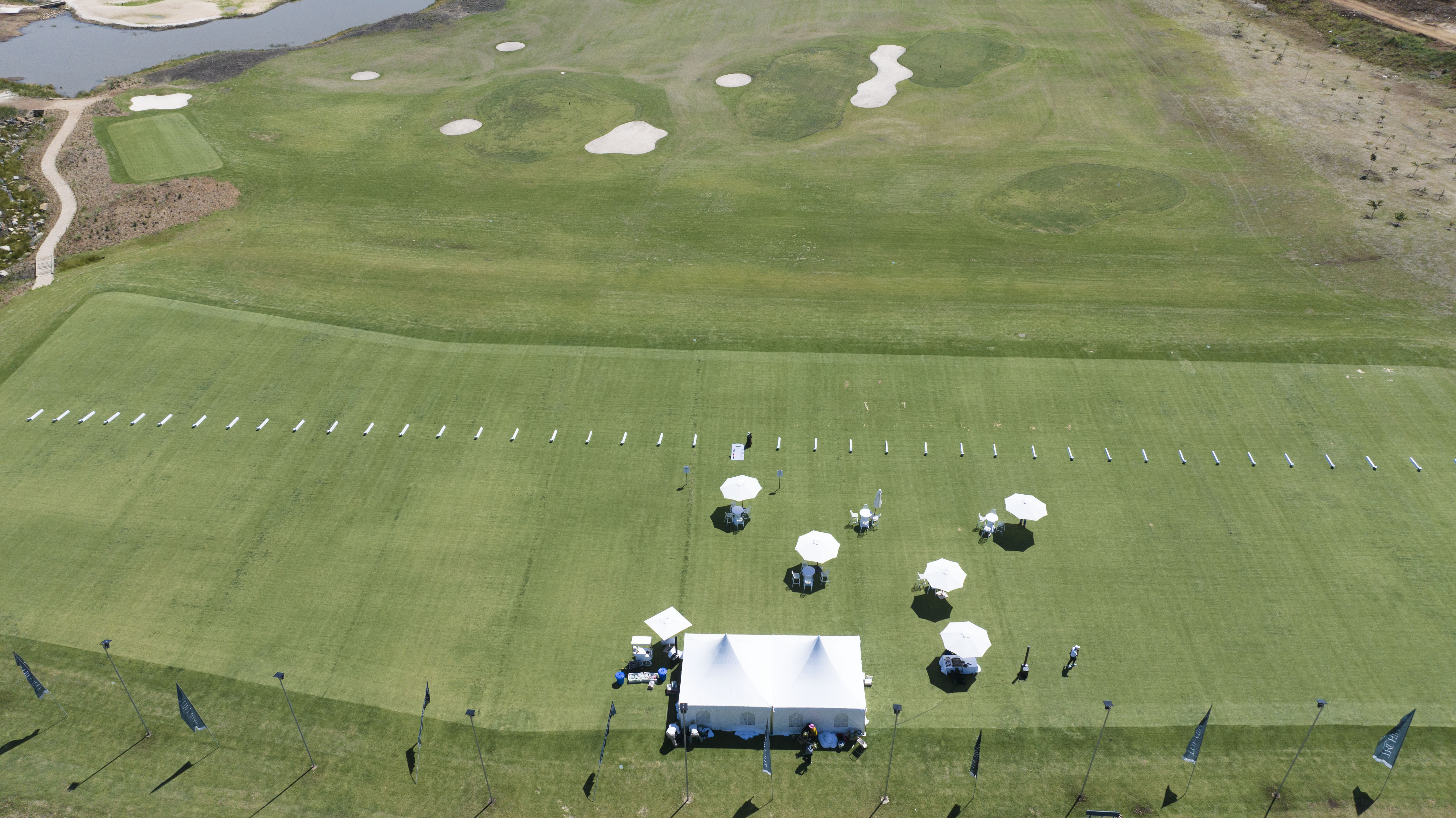
Now, there is something to see. With the driving range open to the public, The Hills has moved from conversation to experience. Golfers can take a swing, visitors can get a feel for the space, and the wider vision begins to feel less like a rendering.
The championship golf course, designed by Peter Matkovich, is still on its journey, with completion expected towards the end of 2026 and an official opening targeted for January 2027. The Hills says something about Harare’s direction, lifestyle, property, sport, leisure and hospitality sharing the same address.
A SOFTER WAY TO STAY
The bed-and-dine story still belongs here because it showed something Harare does well: warmth. Traditional hotels will always have their place, especially for business travellers who need centrality and service. But smaller, more personal hospitality spaces are giving the capital a softer edge.
For travellers flying with fastjet Zimbabwe from Johannesburg, Victoria Falls or Bulawayo, that matters. The stay becomes part of the trip, not just the pause between arrival and departure.
CONCLUSION
Harare is not perfect. There is traffic, delays and daily pressures.
But beneath all of that, something is happening. You hear it in full restaurants. You see it in new openings. Harare is not trying to become Rosebank or Sandton. It does not need to. It is becoming more confident in its own skin, one table, one stay, one café, one fairway and one recommendation at a time.
Text by PAC | Images supplied