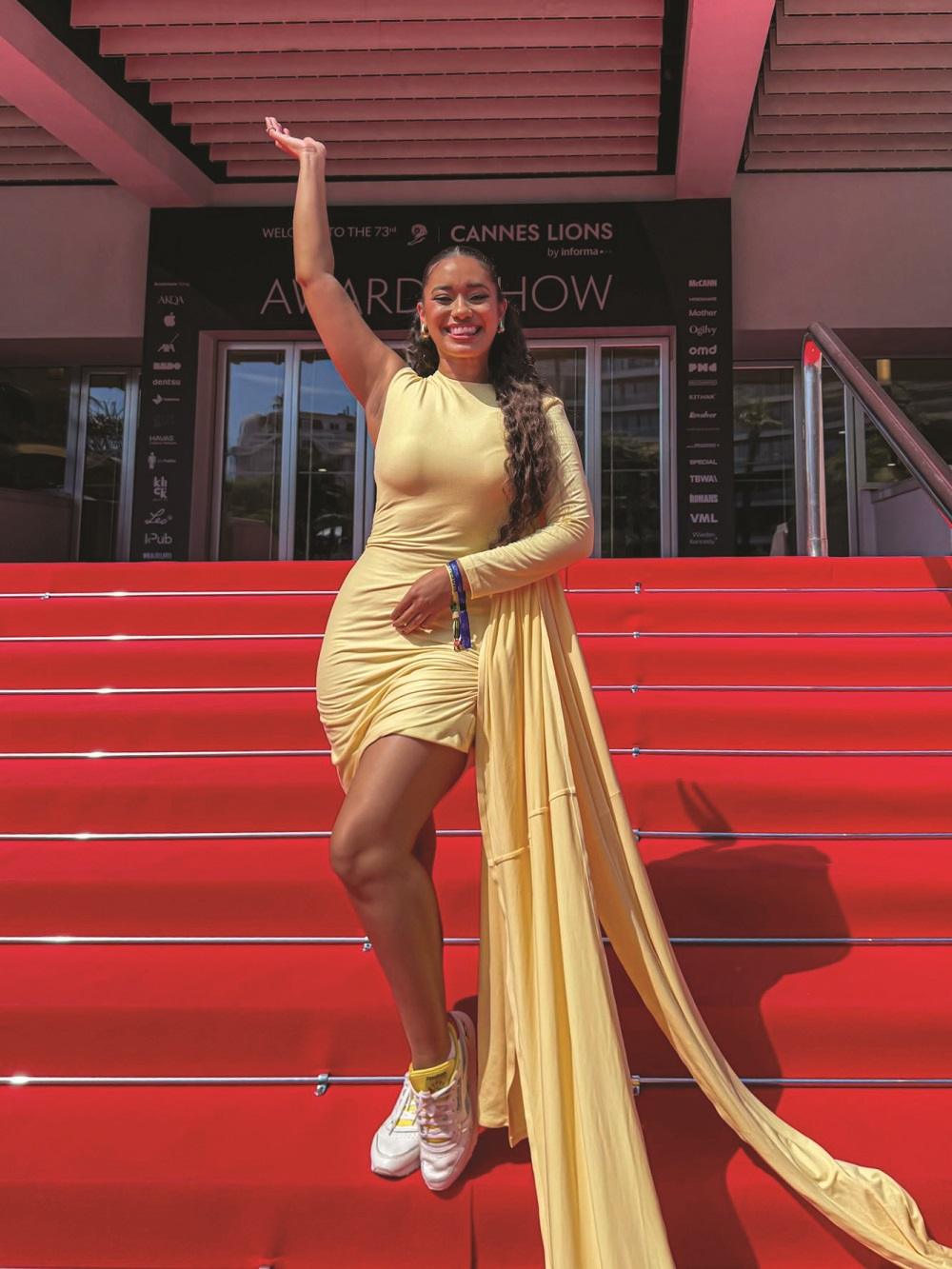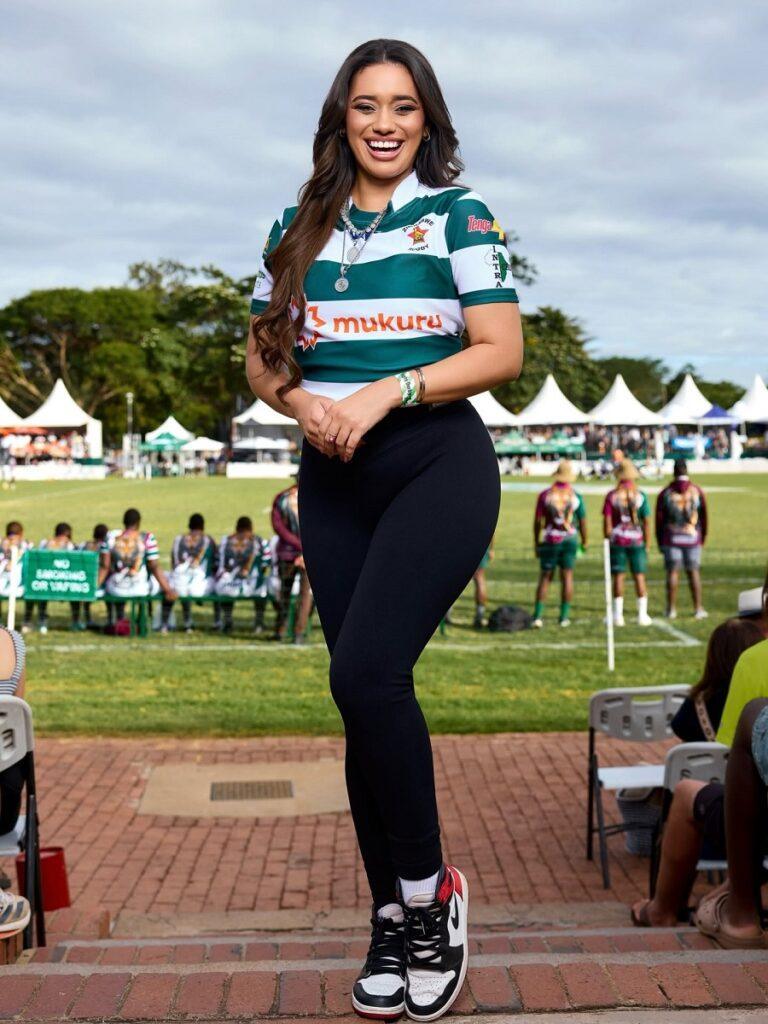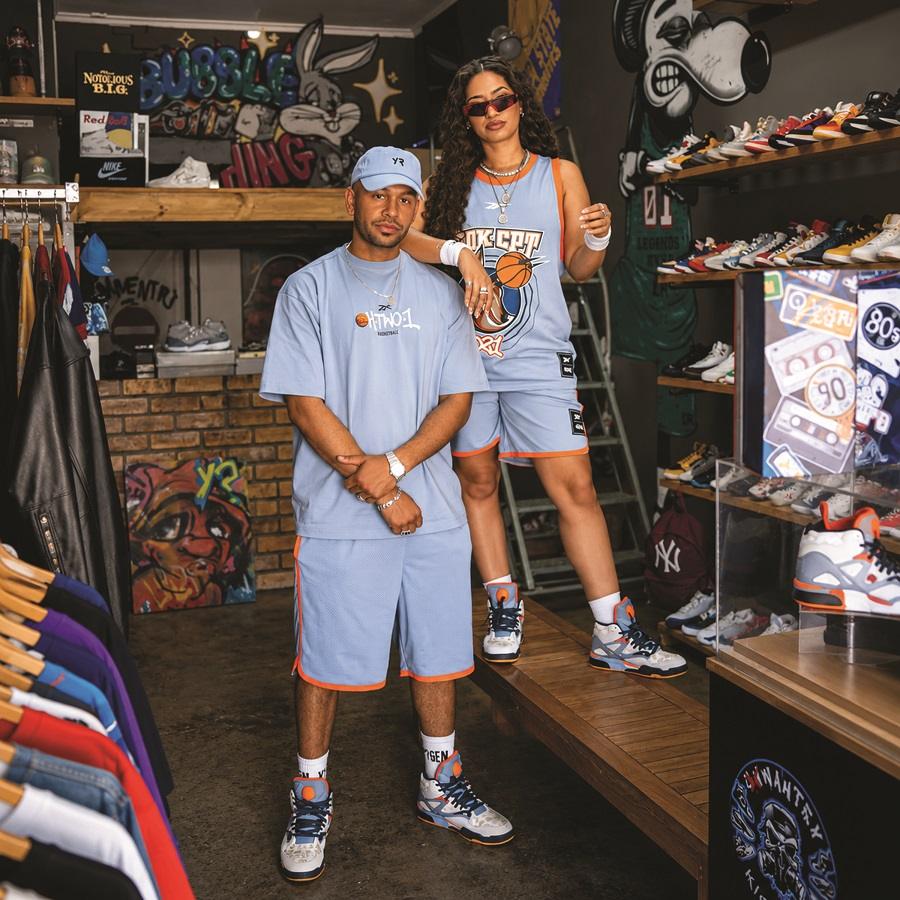
They say you never truly understand someone until you’ve walked a mile in another person’s shoes. In Kim Jayde’s world, those shoes are just as likely to be a pair of iconic sneakers, each one marking another step in her remarkable journey.
From Zimbabwe to fashion weeks, television screens and some of the world’s biggest creative stages, Kim Jayde has built a career that has taken her far from home, without losing sight of where it began. A Forbes Africa 30 Under 30 honouree, entrepreneur and familiar media personality, hers is a story shaped by creativity, ambition and a strong connection to Zimbabwe.
We caught up with Kim on home, travel, style and the people and places that still matter.
Q: IF YOU HAD TO INTRODUCE KIM JAYDE IN ONE SENTENCE, WHAT WOULD YOU SAY?
A: Kim Jayde is a proud Zimbabwean woman who uses her platforms to promote African Excellence on a global scale through her storytelling, content and fashion.
Q: ZIMBABWE WILL ALWAYS BE PART OF YOUR STORY. WHAT IS IT ABOUT HOME THAT YOU MISS MOST WHEN YOU ARE AWAY?
A: My happy place is at my father’s beautiful home in Harare. When the gate opens, the driveway is lined with these tall, gorgeous palm trees, the swimming pool is always crystal clear, and the home has all of these special memories of family gatherings where we play music really loud and just be together!
It’s my favourite place to be in the whole world, the only place where I feel safe, protected and so loved. My dad knows that when I come home we HAVE TO have sadza night, with muriwo, tomato gravy and lots of braai’d meat! I’m getting hungry just thinking about it!
Q: THIS IS OUR VICTORIA FALLS EDITION. WHAT ARE YOUR MEMORIES OF VICTORIA FALLS, AND WHAT WOULD YOU TELL SOMEONE EXPERIENCING THE DESTINATION FOR THE FIRST TIME?
A: My most precious memories are of holidays with my dad and younger brother, road-tripping to Victoria Falls as children. It always felt like an adventure, experiencing the beauty of Zimbabwe’s natural wonder!
I would tell a first-time visitor that Zimbabwe definitely has the far superior view, I don’t care what anyone else says, haha! I’d also tell them that all other waterfalls will pale in comparison once you’ve seen ‘The Smoke That Thunders’, so take in every second!
Q: IF YOU HAD 48 HOURS TO SHOW SOMEONE THE BEST OF ZIMBABWE, WHERE ARE YOU TAKING THEM?
A: You have to go to “Wild is Life”! It is an animal rescue centre that plays a rehabilitative and educational role in the community, teaching visitors about the animals native to Zimbabwe, and stressing a message of anti-poaching.
Not only are they doing really important work saving our animals, but you can pay for the ‘High tea experience’ where you sit under the trees, enjoy a cup of tea (or glass of bubbles) and have a delicious range of sweet and savoury treats. At the same time, you watch zebras and giraffes up close.
Q: LET’S KEEP IT LOCAL. WHO IS YOUR FAVOURITE ZIMBABWEAN ARTIST?
A: Gemma Griffiths, hands down! My favourite artist.
Q: YOU’VE TRAVELLED THE WORLD AND BUILT AN INTERNATIONAL CAREER. WHAT HAS THAT JOURNEY TAUGHT YOU ABOUT BEING ZIMBABWEAN?
A: As women, we constantly receive the message that “The world is a scary, dangerous place for a single woman to travel alone.” While there are definitely unsafe places everywhere, more often than not I have found on my travels that most people are very kind, hospitable, and willing to help. As long as you are respectful of their culture, you will be absolutely fine.
Solo travel has unlocked a courage and bravery in me that I never knew I had experienced if I had never left the safety of my family home. I have made lifelong friends, who in turn have helped me grow an international network of professionals in every industry; now no matter where in the world I go, from London to Dubai to New York, there are incredible people I can call for anything, from recommending a great restaurant to collaborating with on my TV show!
Q: FINALLY, IF YOU COULD LEAVE EVERY ASAMBÈ READER WITH JUST ONE LESSON FROM YOUR JOURNEY SO FAR, WHAT WOULD IT BE?
A: Nothing in this life is guaranteed, not even tomorrow, so while you have breath in your lungs, stop holding back on doing all the things you want to do, and telling the people you love how much they mean to you! If God were to take my life today, I know I lived a full, rich life, with adventures, accomplished unbelievable goals, travelled the world representing Zimbabwe, created a TV show that’s now on Bravo Africa, and became a godmother to the most beautiful baby girl- no regrets ever! Life is beautiful, and it’s meant to be LIVED!
CONCLUSION
Kim Jayde’s journey celebrates Zimbabwean women making their mark on the world. Her love for Victoria Falls brings that journey home, and with fastjet Zimbabwe connecting travellers to the destination, more people can now discover the Zimbabwe she carries with such pride.
Interview by PAC | Images © KJ Productions