Tourism has always been Victoria Falls’ greatest strength. Every year, visitors from across the world arrive to witness one of nature’s most extraordinary spectacles, filling hotels, boarding sunset cruises and setting off on adventures that have made the destination famous. Yet beyond the visitor experience lies another story, one that is steadily reshaping the city’s future.
Today, Victoria Falls is emerging as one of Zimbabwe’s most exciting investment destinations. Improved regional connectivity, continued hospitality development, growing business confidence and major infrastructure projects are broadening the city’s appeal beyond traditional leisure travel. Tourism remains the catalyst, but the opportunities it creates now extend well beyond the hospitality sector.
A CHANGING ECONOMY
A visitor arriving in Victoria Falls supports far more than a hotel.
Every booking creates work for transport operators, restaurants, food suppliers, tour guides, photographers, retailers, artisans, maintenance companies, security firms and countless small businesses that keep the destination moving.
This ripple effect is what makes tourism one of Zimbabwe’s most powerful economic drivers. The success of Victoria Falls is no longer measured simply by visitor arrivals, but by the number of businesses and livelihoods supported by every traveller who chooses the destination.
For investors, this presents an important shift in thinking. The opportunity is not only in building hotels or lodges. It lies in identifying the services that improve the visitor experience and strengthen the local economy.
FASTJET ZIMBABWE : CONNECTING OPPORTUNITY
No tourism economy can thrive without reliable air access, and Victoria Falls continues to benefit from improved regional connectivity.
With fastjet Zimbabwe operating daily flights between Harare and Victoria Falls, Bulawayo and Victoria Falls, Johannesburg and Victoria Falls, and Kruger Mpumalanga and Victoria Falls, the destination is increasingly accessible to leisure travellers, business visitors and conference delegates. Every flight carries more than passengers. It brings potential customers for hotels, restaurants, attractions, retailers and transport operators.
For many visitors, the journey begins the moment they board a fastjet flight. Greater connectivity encourages repeat travel, supports regional tourism and gives investors greater confidence in a destination that is becoming easier to reach from key Southern African markets.
As passenger numbers continue to grow, so too does demand for quality experiences both within Victoria Falls and across the wider tourism value chain.
SPORTS TOURISM TAKES CENTRE STAGE
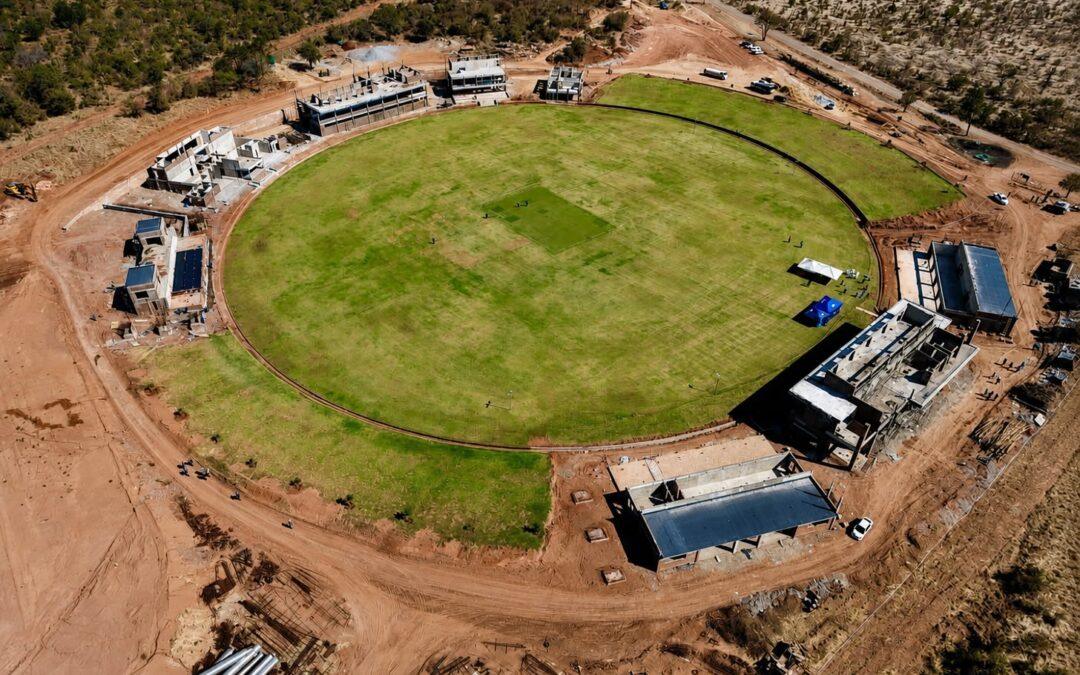
Among the developments attracting attention is the construction of a world-class cricket stadium, a project with the potential to introduce an entirely new dimension to Victoria Falls’ tourism economy.
International cricket brings far more than players onto the field. Teams travel with coaches, medical staff, administrators, broadcasters, sponsors and supporters, many of whom spend several days in the destination before and after matches.
That creates demand for accommodation, restaurants, transport services, conference facilities and leisure experiences beyond the stadium itself.
For Victoria Falls, the opportunity lies in combining world-class sport with one of Africa’s most recognisable tourism destinations. Visitors may arrive for cricket but extend their stay to experience the Zambezi River, wildlife, adventure activities or the city’s vibrant hospitality offering. Equally, holidaymakers may choose to include an international sporting event as part of their itinerary.
Sports tourism has the potential to diversify visitor demand throughout the year while strengthening the destination’s international profile.
MORE THAN HOTELS
When people think about investing in tourism, hotels are often the first businesses that come to mind.
In reality, successful destinations rely on a much broader ecosystem.
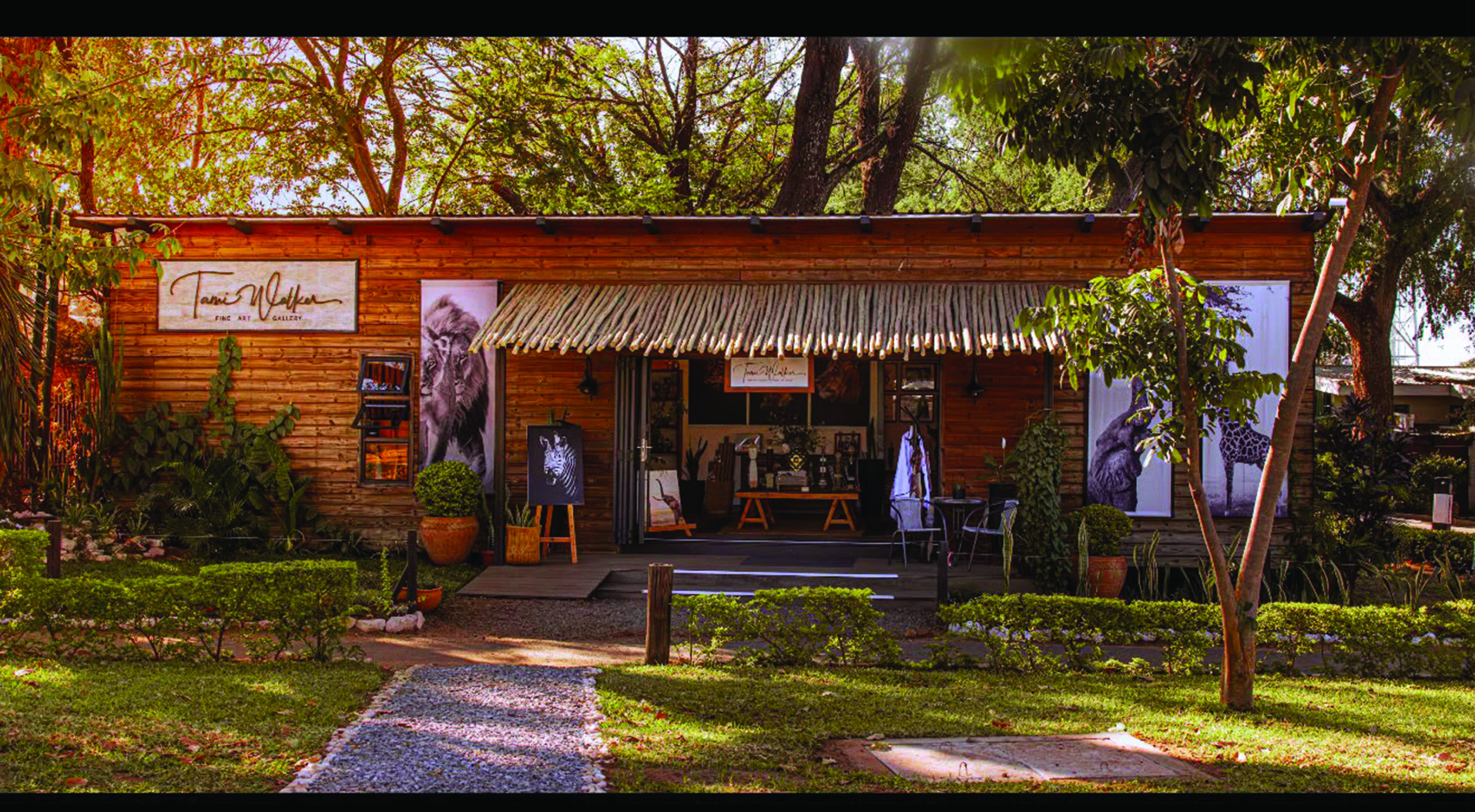
Boutique guest houses, serviced apartments, cafés, wellness centres, vehicle hire companies, event planners, technology providers and specialist tour operators all play an important role in shaping the visitor experience.
As Victoria Falls evolves, opportunities will increasingly exist for businesses that solve practical challenges, improve convenience and introduce innovative products or services.
Sometimes the strongest investment is not the largest development, but the business that quietly fills a gap in the market.
CROSS-BORDER COMMERCE
Few destinations in Africa demonstrate the power of regional integration quite like Victoria Falls.
Separated only by the Victoria Falls Bridge, Zimbabwe’s Victoria Falls and Zambia’s Livingstone share more than a natural wonder. They share people, commerce and opportunity.
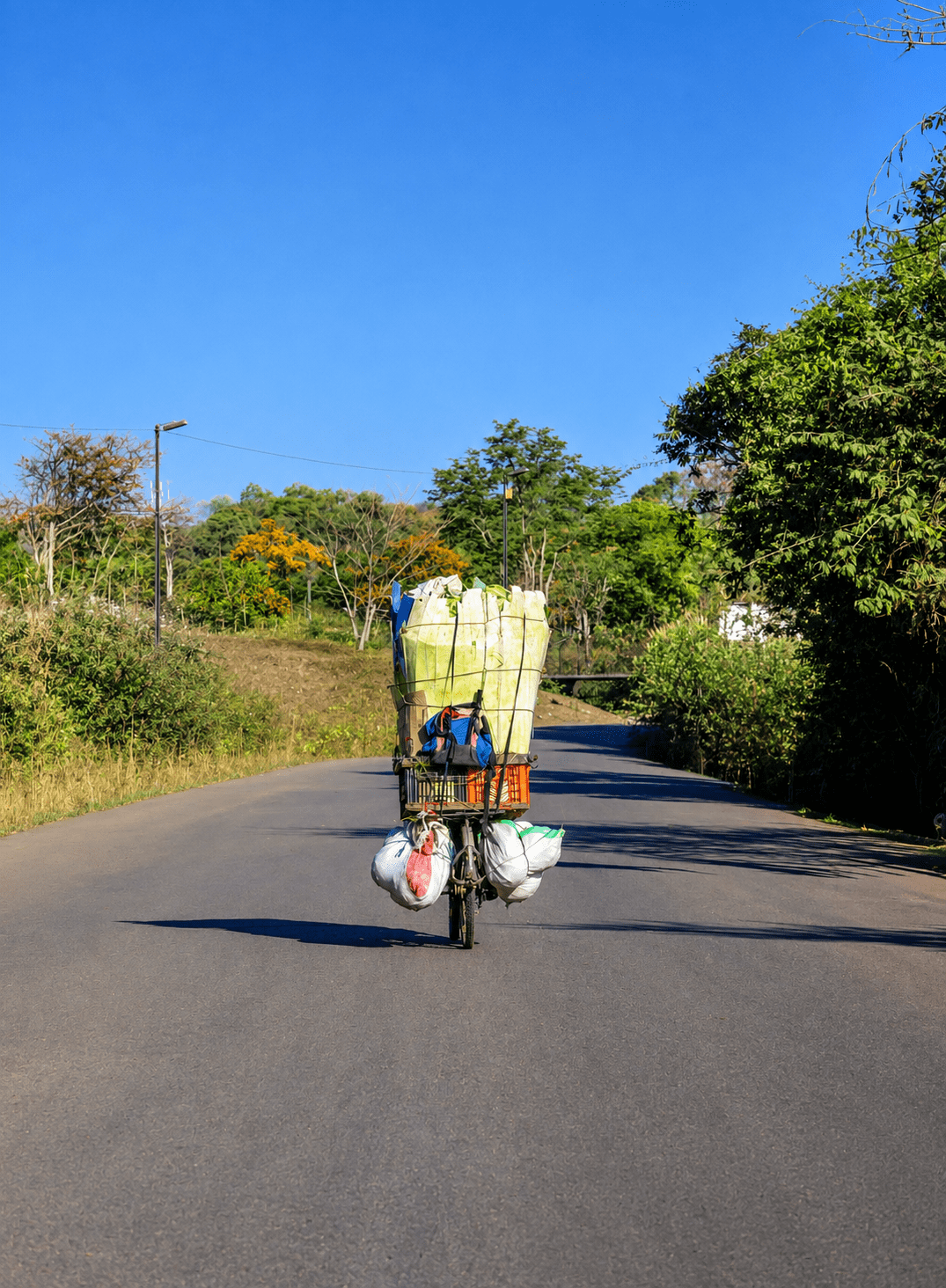
Every day, traders, including the well-known Muzanga traders, cross between the two towns, buying, selling and supplying goods that support both local communities and the tourism industry. From handcrafted curios and textiles to fresh produce and everyday essentials, this constant movement of people and products reflects an economy that extends beyond national borders.
Visitors crossing between the two countries contribute to this activity, spending money on both sides of the Zambezi and creating opportunities for small businesses that have become an essential part of the destination’s character.
It is a reminder that tourism is not only about international arrivals. It is also about regional trade, entrepreneurship and the resilience of local enterprise.
INVESTING IN PEOPLE
Buildings alone do not create successful destinations. People do.
The hospitality industry depends on skilled professionals who understand that every guest interaction shapes the reputation of both the business and the destination.
Across Zimbabwe, continued investment in hospitality training, guiding, culinary arts and specialised skills is helping prepare a new generation of professionals to meet international expectations.
Private sector initiatives that focus on mentorship, entrepreneurship and practical skills development are equally important. By investing in people first, businesses help create long-term careers while strengthening service standards across the tourism i ndustry.
Ultimately, the greatest return on investment is not always measured in infrastructure, but in the confidence, skills and opportunities created for local communities.
CONCLUSION
Victoria Falls has never struggled to attract visitors. The challenge today is ensuring that every visitor creates lasting value long after they return home.
From improved regional air connectivity and emerging sports tourism to thriving small businesses and cross-border trade, the city is evolving into far more than a world-famous attraction. It is becoming a destination where tourism drives enterprise, creates employment and encourages long-term investment.
For travellers flying with fastjet, the journey to Victoria Falls is about discovering one of Africa’s iconic destinations. For entrepreneurs and investors, it may also be the beginning of recognising the remarkable opportunities that exist beyond the waterfall itself.
Because while the Victoria Falls remain the heartbeat of the destination, it is the businesses, the people and the ideas growing around them that will shape Victoria Falls’ next chapter.
Text by PAC | Images © Supplied