
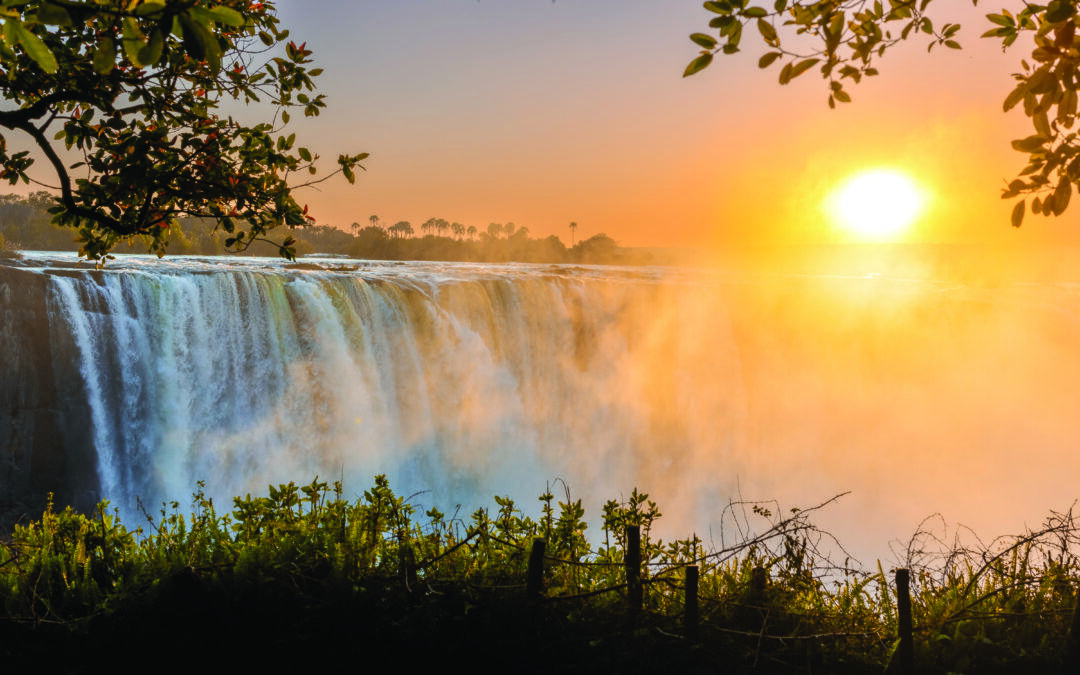
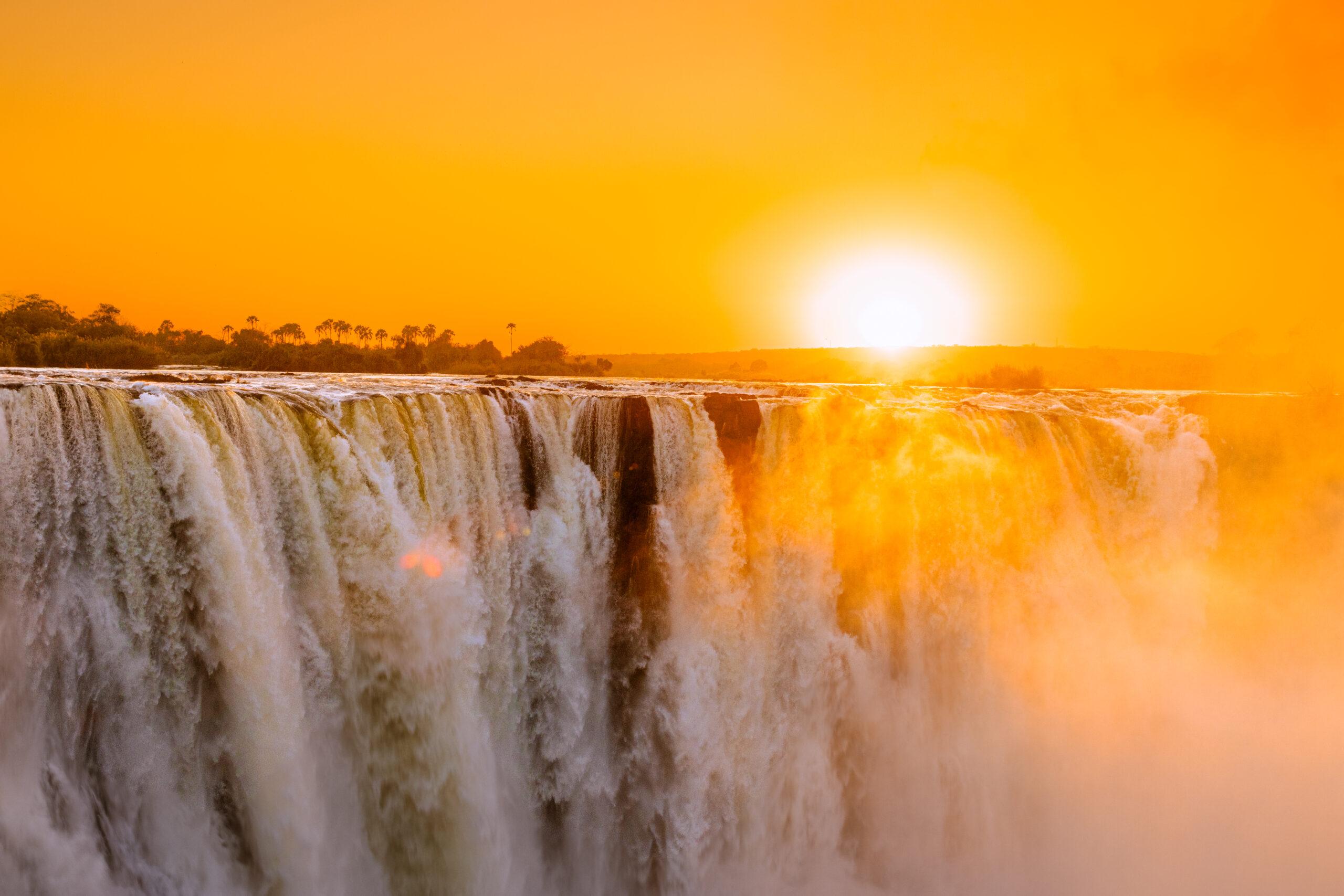
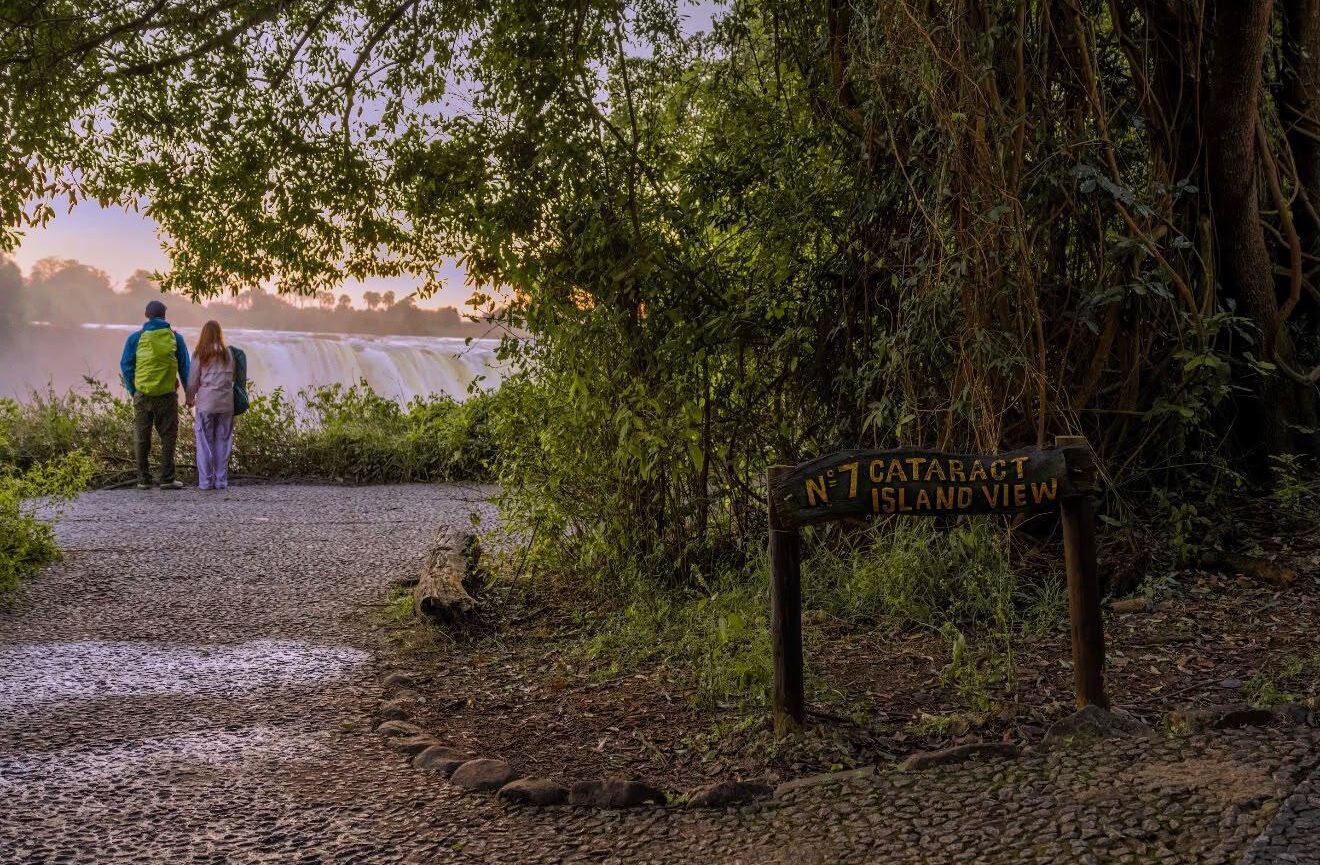
Imagine hearing the destination before you see it. Long before the Victoria Falls come into view, the unmistakable roar of millions of litres of water crashing into the Batoka Gorge begins to fill the air. Then comes the mist, rising hundreds of metres into the sky, visible from kilometres away. It is a sight that has inspired travellers, explorers and local communities for centuries, and one that continues to leave even the most seasoned traveller speechless.
There are very few places in the world that genuinely deserve the title of a natural wonder. The Victoria Falls are undoubtedly among them. Yet what makes this destination truly remarkable is not simply the waterfalls themselves. It is the story behind them, the people who have lived alongside them for generations and the way Victoria Falls continues to evolve into one of Africa’s most complete tourism destinations while remaining true to its roots.
THE SMOKE THAT THUNDERS
Long before tourism, luxury hotels and helicopter flights, Mosi-oa-Tunya, “The Smoke That Thunders”, was known and revered by the local Tonga people and other communities that called this region home. It was far more than a spectacular natural landmark. It represented life, spirituality and a deep connection with the Zambezi River that sustained both people and wildlife.
The towering spray became part of local folklore, while the endless roar served as a constant reminder of nature’s incredible power. Stories of Mosi-oa-Tunya were passed from one generation to the next, ensuring its significance remained woven into the region’s cultural identity.
Everything changed in November 1855, when Scottish missionary and explorer David Livingstone became the first European to record seeing Mosi-oa-Tunya, captivated by the spectacle before him, he named the waterfalls “the Victoria Falls” in honour of Queen Victoria. His account introduced one of Africa’s greatest natural wonders to the wider world, sparking curiosity that continues to draw visitors almost two centuries later.
Today, both names remain important. The Victoria Falls are known around the world. At the same time, Mosi-oa-Tunya remains a powerful reminder that this remarkable landscape had a rich history long before Livingstone’s arrival. Together, the names tell the story of a natural wonder where African heritage and global recognition exist side by side.
AFRICA’S LUXURY ADVENTURE CAPITAL
Around this natural wonder, Victoria Falls has grown into a destination that offers far more than a single viewpoint. Standing before the Victoria Falls remains an unforgettable experience, but it is everything around them that transforms a visit into something far richer. Luxury lodges overlooking the Zambezi River, boutique hotels surrounded by indigenous bush, historic properties that have welcomed royalty and presidents, and intimate riverside retreats all offer visitors their own way of experiencing the destination.
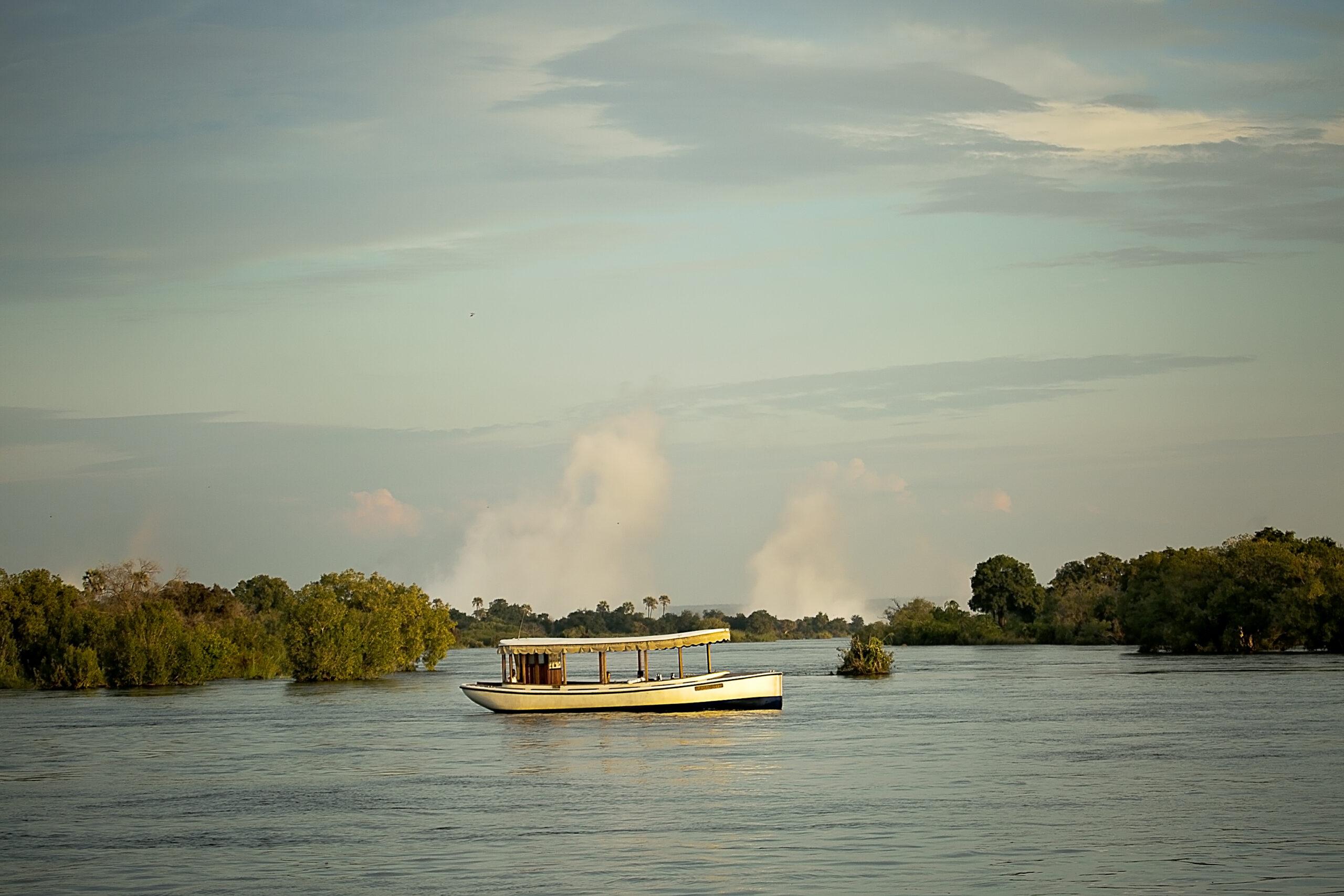
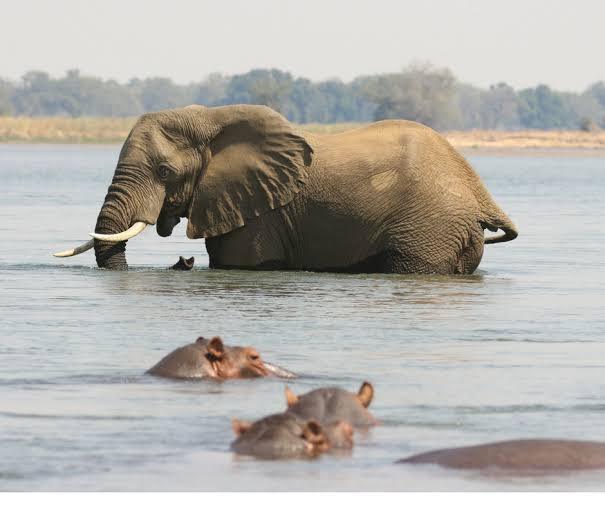
A typical day here rarely follows the same script. It may begin with a walk through the rainforest as the morning sun catches the rising mist, before moving onto a helicopter flight that reveals the full scale of the Victoria Falls from above. By afternoon, the mighty Zambezi slows to a gentler pace as boats drift along the river during one of Africa’s most celebrated sunset cruises. Wildlife often makes an appearance, with elephants gathering along the riverbanks, hippos surfacing nearby and crocodiles basking in the afternoon sun.
For families, Victoria Falls offers something increasingly rare in modern travel: the opportunity to disconnect from busy routines and reconnect with one another. Nature walks, wildlife encounters, cultural experiences and educational tours create memories that span generations, while the destination’s warm hospitality ensures visitors of every age feel welcome.
Adventure seekers, meanwhile, have long regarded Victoria Falls as one of Africa’s ultimate playgrounds. White-water rafting through the Batoka Gorge, bungee jumping from the historic Victoria Falls Bridge, gorge swings, zip-lining and seasonal swims at Devil’s Pool continue to attract thrill seekers from across the world. Yet for all its adventurous energy, Victoria Falls never feels rushed. There is always time to slow down and take in the landscape that makes it all possible.
WHERE NATURE MEETS HOSPITALITY
That balance between adventure and escape is matched by the quality of Victoria Falls’ hospitality. The destination has evolved into one of Africa’s premier luxury tourism hubs, where memorable experiences are matched by exceptional accommodation.
Whether enjoying afternoon tea overlooking the gorge, dining beneath African skies, unwinding at a world-class spa or setting off on a guided safari, the experience extends well beyond the Victoria Falls themselves. It is this combination of natural wonder and Zimbabwean hospitality that continues to bring visitors back.
Increasingly, that experience also comes with a greater awareness of the environment and communities that sustain it. Guided wildlife experiences, community-based tourism initiatives and conservation programmes are helping visitors experience the destination responsibly while protecting the landscapes and wildlife that make Victoria Falls so special.
PRESERVING WONDER FOR GENERATIONS TO COME
The Victoria Falls have stood here for thousands of years, shaped by nature and protected by people who have long understood their importance. Today, as tourism grows around the Victoria Falls, so too does the responsibility to preserve what makes this landscape extraordinary.
Sustainable tourism, conservation initiatives and thoughtful development are helping ensure that future generations will experience the same sense of wonder visitors enjoy today. At the same time, Victoria Falls continues to evolve. New hospitality investments, improved infrastructure and developments such as the international-standard cricket stadium are taking the town beyond traditional leisure tourism, creating opportunities in sports tourism and strengthening its appeal as a year-round destination.
That evolution is also bringing Victoria Falls closer to the rest of the region.
CONCLUSION
From its origins as Mosi-oa-Tunya to becoming the Victoria Falls known around the world today, this remarkable natural wonder has inspired generations.
Around it, Victoria Falls has grown into one of Africa’s leading tourism destinations, bringing together adventure, hospitality, conservation and a growing regional tourism economy. With fastjet Zimbabwe connecting Harare, Bulawayo, Victoria Falls, Johannesburg and Kruger Mpumalanga, the destination is increasingly within easy reach of travellers across the region.
The names tell its history, but the roar, the mist and the sheer scale of the Victoria Falls remain timeless. Some places simply have to be experienced.
Text by PAC | Images sourced